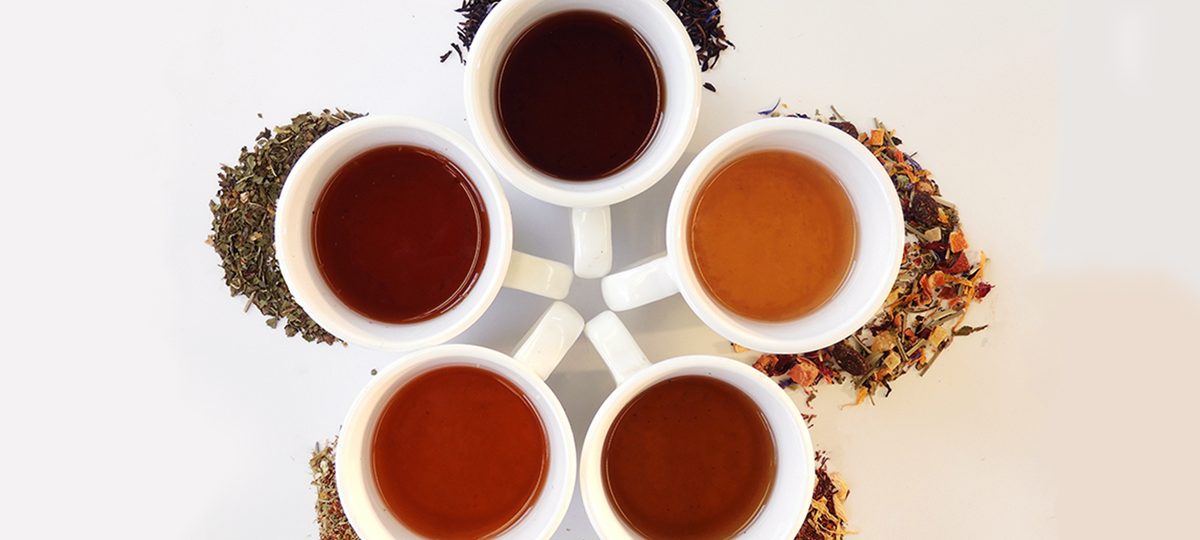
The benefits of tea have been praised for many years and current science is in agreement. Tea has a strong influence on heart rate, cholesterol, weight loss, heart disease, waterfalls, diabetes, and diseases. Tea also gives a boost to the safety setting and increases mental clarity. Tea can repair sun damage and revitalize the skin when applied externally. Even more critical, without caffeine or caffeine, the benefits of tea are comparable, allowing tea consumers to strategically distance themselves from the effects of caffeine.
Types
Tea is made from a few sources offering a wide selection of teas. Camellia sinensis from Asia produces black, green, oolong and white teas. The type of tea depends on how the leaves are prepared after collection. Local teas, such as peppermint tea or chamomile tea, are made from various leaves, flowers, and trees. Camellia sinensis plant tea has been studied extensively and appears to have the most medical benefits when used normally.
Caffeine-Free Teas
Teas are usually stimulated and contain much more caffeine than espresso. However, tea is used in small amounts to reduce the caffeine content of some teas. Decaffeinated teas have been used in restoration reviews and have shown medical benefits. Indeed, dynamic fixations do not depend on caffeine. The main problem with caffeinated teas is that they are usually of poor quality. Full Doctor Andrew Weil recommends tea consumers to decaffeinate tea themselves to ensure proper absorption of dynamic fixation. Essentially, dip the tea bag in hot water for a moment to remove 80% of the caffeine. Discard the water and plan the tea.
Tea Fights Cancer
Green teas contain EGCG (epigallocatechin gallate) and New Scientist, detailed in 2004, indicating that EGCG acts against malignant growth traits. EGCG is a cell enhancement that can help anticipate lung, prostate and breast malignancies. Specialists from Kyushu University in Japan have discovered that EGCG is attached to tumor cells and inhibits their development. Decaffeinated green tea always contains EGCG and protects its enemy from malignant effects.
Green Tea Weight Loss
Green tea has also been associated with weight reduction by increasing the rate of fat consumption and improving insulin potential. A Journal of Nutrition Concentrate from 2009 showed that five cups of green tea a day, in terms of exercise, increased the level of lost belly fat and improved cholesterol. The caffeine content corresponded to the control and distribution of tea, which meant that caffeine was not an active component of weight loss.
Prevent Diseases With Tea
Flavonols are present in black tea and are excellent cancer prevention agents that fight infections. In the tea tree, flavonols protect the plant from disease and damage and affect the human body in the same way. As a survey published in the American Journal of Epidemiology shows, regular consumption of black tea reduces the risk of heart attack by 44%. The study used decaffeinated black teas that showed decaffeinated black teas could reduce the incidence of heart attacks.
Daily incorporation of tea into the daily diet may require some practice, but medical benefits should be sought.
 Healthfitness-weightloss